
Can my dentist really help with sleep apnea?
IT MIGHT SEEM LIKE A DIFFERENT APROACH, BUT YES WE CAN
Sleep apnea is a common sleep disorder in which breathing suddenly ceases briefly throughout the night, sometimes up to hundreds of times in one night. While seemingly harmless, sleep apnea can be dangerous if left untreated, as the constant pauses in breathing deprive the brain of oxygen.
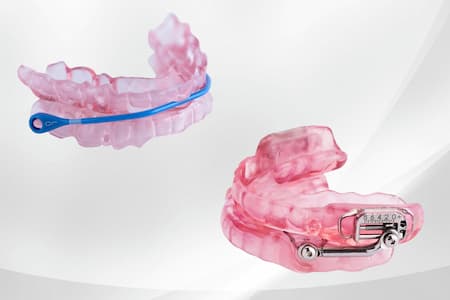
A sleep apnea oral appliance is a custom-fitted dental device developed for the treatment of snoring and obstructive sleep apnea.
It is an effective, comfortable, and durable alternative to CPAP therapy or corrective surgery. By simply wearing an appliance while sleeping, your lower jaw (mandible) will be moved forward into a comfortable position, allowing relaxation of the tissues at the back of your throat and ensuring the base of your tongue does not collapse and block your airway, giving you a safe and soundless sleep. Most patients and practitioners prefer oral appliance therapy for its comfort, convenience and effectiveness.
Sleep Apnea Q&A
What are the types of sleep apnea?
The first step in treating this uncomfortable condition is figuring out which type you have. There are three main forms of sleep apnea:
Obstructive sleep apnea (OSA)
The most common form of sleep apnea, OSA occurs when there is a blockage in the airway, typically when the soft tissue in the back of the throat relaxes and collapses during sleep.
Central sleep apnea
Unlike OSA, central sleep apnea is not caused by a blockage in the airway. Instead, it occurs when the brain fails to signal the muscles to breathe during sleep.
Complex sleep apnea
Complex sleep apnea develops in patients who have both OSA and central sleep apnea. In rare cases, patients with OSA can develop central sleep apnea during treatment.
Which sleep apnea symptoms should I look out for?
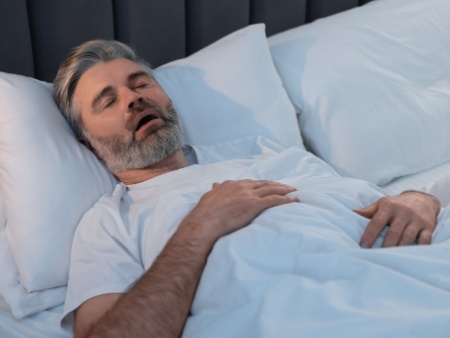
For patients who live alone, a sleep apnea diagnosis may actually come as a major surprise. You may not realize you have the condition until a partner, roommate, or child comments on your loud snoring. Other signs of sleep apnea include:
Repeated pauses in breathing during sleep
Sore throat in the morning
Daytime fatigue
Waking up in the middle of the night
Morning headaches
Insomnia
Waking up with a gasping sensation
Mood changes
Foggy brain
Without proper treatment, sleep apnea can lead to serious medical problems such as high blood pressure, diabetes, heart disease, and stroke, so it’s important to seek medical attention right away if you are experiencing any of the above symptoms.

What are my treatment options?

Mandibular advancement devices (MADs), which looks similar to a sports mouth guard, fit over your upper and lower dental arches to push the lower jaw slightly forward. This helps prevent the soft tissue in the back of your throat from collapsing and blocking your airway. Likewise, a tongue-retaining device has a small piece that fits around your tongue to stop the soft tissue from collapsing.
Continuous Positive Airway Pressure (CPAP)
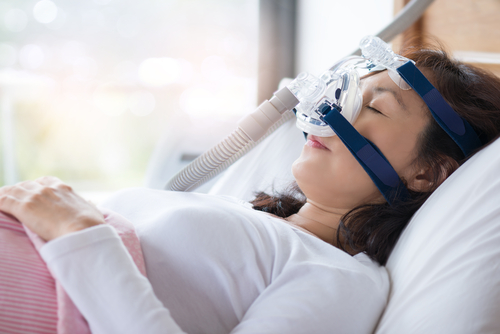
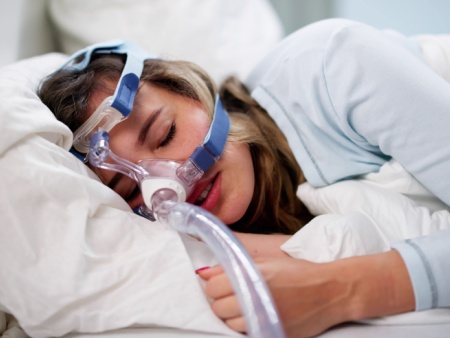
A CPAP device is the most effective treatment for sleep apnea. To try this treatment, you must wear a mask over your mouth at night. This mask is connected to a machine that continuously pumps air into your mouth and nose, preventing you from failing to breathe throughout the night.