
How Can My Dentist Help Me With My Jaw Pain?
IT MIGHT SEEM LIKE A DIFFERENT APROACH, BUT YES WE CAN
TMJ pain is caused by problems with the temporomandibular joint, that connects the jaw to base of the skull. The exact causes of pain may not always be clear, but some of the common factors that can contribute include:
- Jaw injury such as a hit to the jaw, whiplash, or other types of trauma can cause TMJ pain.
- Teeth grinding or clenching can put excessive pressure on the joint and cause pain.
- Arthritis in the joint can cause pain, stiffness, and difficulty with jaw movement.
- A bite that is not properly aligned can put pressure on the joint and lead to pain.
- Stress and anxiety can cause tension in the jaw muscles, leading to pain.
- Poor posture can lead to neck and shoulder tension, which can contribute to TMJ pain.
- Extensive dental work or oral surgery can put stress on the TMJ and cause pain.


Treatment for TMJ Disorders
There are many TMJ treatment modalities for TMJ disorders. After a thorough exam we will review different options for you. Some things that we recommend include:
- Gentle stretching exercises, avoiding hard or chewy foods, and applying heat or ice to the affected area may help relieve TMJ pain.
- Over-the-counter pain relievers, such as ibuprofen or acetaminophen, may help relieve TMJ pain. Muscle relaxants or anti-anxiety medications may also be prescribed in some cases.
- Wearing a bite guard or splint can help reduce clenching or grinding of the teeth and relieve pressure on the TMJ.
- Seeing a physical therapist who is well-versed in exercises to improve jaw movement and strengthen the jaw muscles may be recommended.
- In some cases, injections of corticosteroids or botulinum toxin (Botox) may be used to relieve TMJ pain.
- Surgery is typically considered a last resort and is only recommended in severe cases of TMJ disorder that do not respond to other TMJ treatments.
The Root Canal Procedure: Step by Step
Step 1: Preparation
First, you’ll be given local anesthesia. This is to ensure you’re as comfortable as possible during the procedure. The area around the affected tooth will be numbed, so you’ll be awake, but you won’t feel any pain.
Step 2: Cleaning the Canals
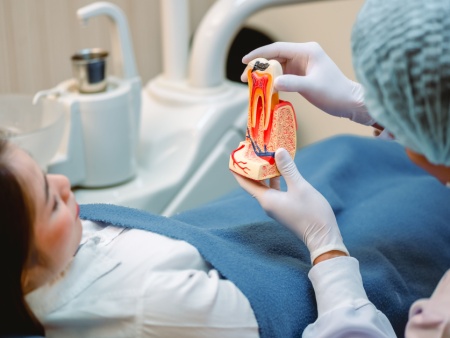
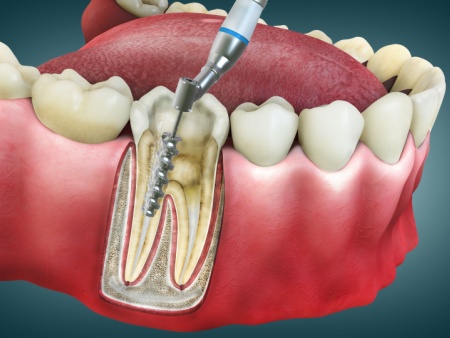
The dentist or endodontist (a dentist specializing in such procedures) will then make a small opening in the top of your tooth to access the pulp chamber and root canals. This is where the precision cleaning starts. They’ll remove the infected or damaged tissue, meticulously cleaning out the canals of your tooth. It’s a bit like plumbing, but for your tooth.
Step 3: Filling and Sealing
Once the canals are clean and reshaped, they’re filled with a biocompatible material, usually a rubber-like substance called gutta-percha, to seal them off from any further infection. This step is crucial for the stability and health of your tooth moving forward.
Step 4: Capping It Off
The final step often involves placing a crown or other restoration on your tooth. This is to protect and restore its function, and let’s be honest, its looks. A properly done root canal with a crown can last you a lifetime with the right care.
Aftercare: Keeping Your Tooth Happy
After the procedure, you might feel some tenderness or discomfort for a few days, which is normal. Over-the-counter pain relievers usually do the trick. But the best part? You get to keep your tooth, and after a little recovery time, it’s back to business as usual.
Root Canal Q&A
Does a root canal hurt?
Most people do not feel any pain during the procedure, as it is done under local anesthesia to numb the affected area. After the procedure, some mild discomfort is common, but it can usually be managed with over-the-counter pain medications.
How long does a root canal take?
The length of the procedure can vary depending on the complexity of the case and the individual patient’s needs. In general, most root canals can be completed in one or two visits.
What happens after a root canal?
After the procedure, you may experience some mild discomfort or sensitivity for a few days. Your dentist or endodontist will provide you with instructions on how to care for the tooth and manage any discomfort. You may need to return for a follow-up appointment to have a crown or other restoration placed on the tooth.